
Shoulder Instability in Dubai Advanced Shoulder Instability Treatment in Dubai by a German-trained Shoulder Specialist.
Expert Diagnosis & Treatment for Shoulder Instability in Dubai
Shoulder instability in Dubai is a common condition that can affect both athletes and non-athletes. It often leads to repeated shoulder dislocations, pain, and reduced confidence in shoulder movement.
In many cases, shoulder instability starts after an injury. However, it can also develop gradually due to weak ligaments or joint laxity. As a result, the shoulder may feel loose or unstable during daily activities.
Therefore, early diagnosis is very important. Without proper treatment, shoulder instability can worsen over time and lead to long-term joint damage.
Early treatment plays a key role in preventing complications. If shoulder instability is left untreated, the condition may become more severe over time.
For example, repeated dislocations can damage cartilage and surrounding tissues. Consequently, this increases the risk of arthritis in the shoulder joint.
On the other hand, timely treatment helps restore stability and function. As a result, patients can return to sports and daily activities with confidence.
For example, repeated dislocations can damage cartilage and surrounding tissues. Consequently, this increases the risk of arthritis in the shoulder joint.
On the other hand, timely treatment helps restore stability and function. As a result, patients can return to sports and daily activities with confidence.
What is
Shoulder Instability?
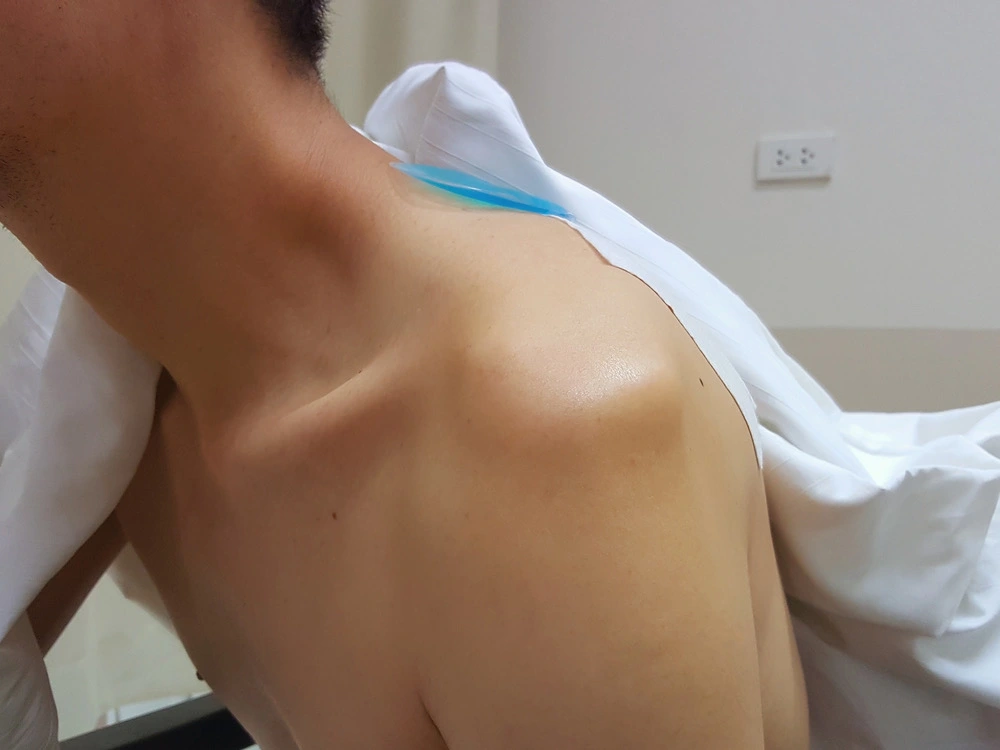
What is Shoulder Instability?
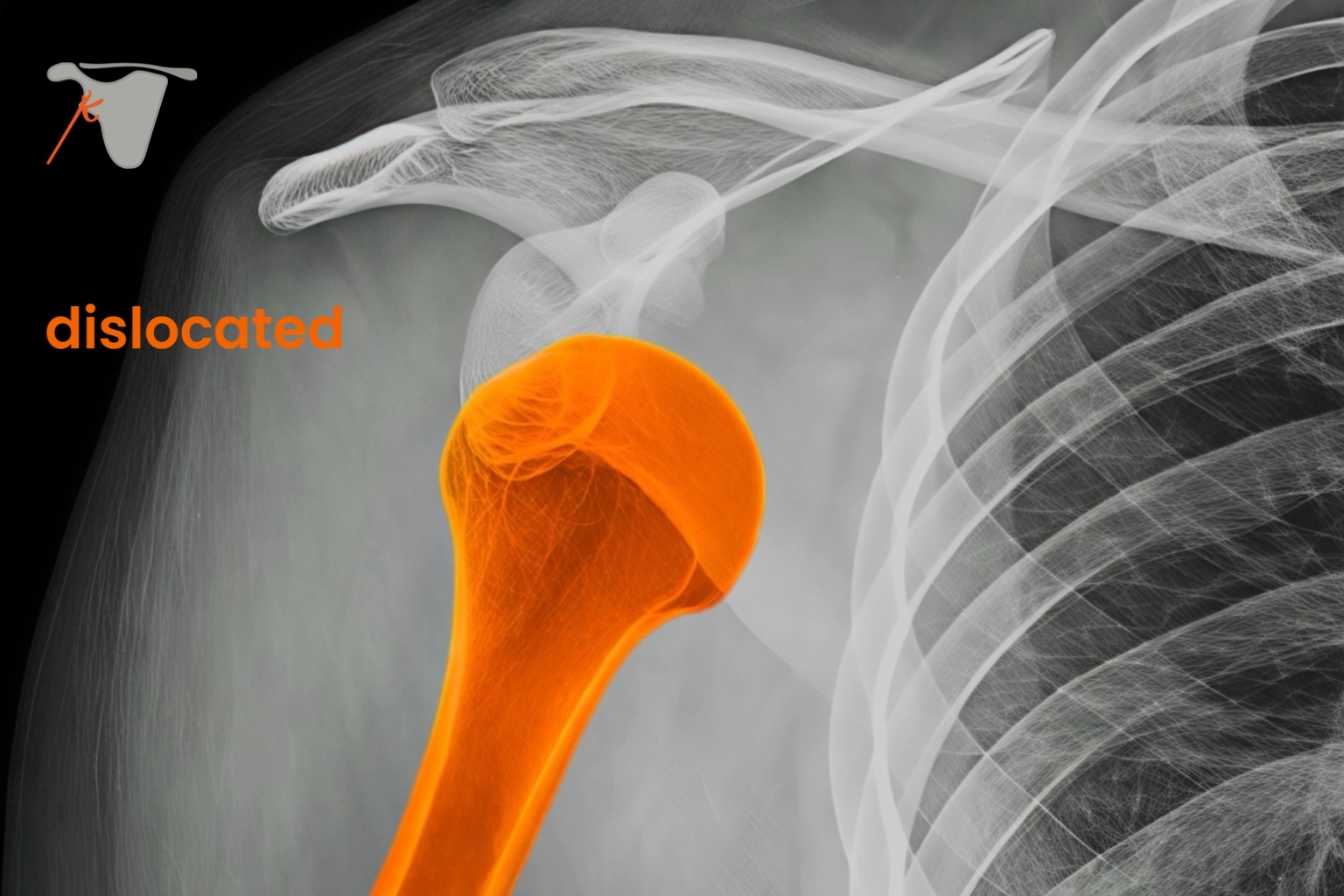
Shoulder instability occurs when the head of the upper arm bone moves out of the shoulder socket. This can happen partially or completely, leading to discomfort and loss of stability.
In most cases, this condition develops after trauma or repeated stress on the shoulder. However, some people are naturally more prone to instability due to ligament laxity.
As a result, patients may experience pain, weakness, or a feeling that the shoulder is slipping out of place.
In most cases, this condition develops after trauma or repeated stress on the shoulder. However, some people are naturally more prone to instability due to ligament laxity.
As a result, patients may experience pain, weakness, or a feeling that the shoulder is slipping out of place.
Common Symptoms of Shoulder Instability
Common symptoms include:
– Repeated shoulder dislocations
– A feeling of looseness in the shoulder – Pain during movement
– Weakness or instability
– Limited range of motion
If you experience these symptoms, it is important to consult a shoulder specialist early.
– Repeated shoulder dislocations
– A feeling of looseness in the shoulder – Pain during movement
– Weakness or instability
– Limited range of motion
If you experience these symptoms, it is important to consult a shoulder specialist early.
Causes of Shoulder Instability
Shoulder instability may result from:
• Traumatic shoulder dislocation
• Sports injuries (especially contact or overhead sports)
• Labral tears (Bankart lesion)
• Bone loss of the glenoid
• General ligament laxity
Accurate diagnosis requires clinical examination combined with MRI or CT imaging.
• Traumatic shoulder dislocation
• Sports injuries (especially contact or overhead sports)
• Labral tears (Bankart lesion)
• Bone loss of the glenoid
• General ligament laxity
Accurate diagnosis requires clinical examination combined with MRI or CT imaging.
Types of Shoulder Instability
Shoulder instability can be classified into:
Anterior Instability
Most common type, often after traumatic dislocation.
Posterior Instability
Less common, often related to repetitive stress or trauma.
Multidirectional Instability
Occurs in patients with generalized ligament laxity.
Precise classification is critical for choosing the correct surgical or non-surgical treatment strategy.
Anterior Instability
Most common type, often after traumatic dislocation.
Posterior Instability
Less common, often related to repetitive stress or trauma.
Multidirectional Instability
Occurs in patients with generalized ligament laxity.
Precise classification is critical for choosing the correct surgical or non-surgical treatment strategy.
When is Surgery Recommended?
Surgical stabilization may be recommended when:
• Recurrent shoulder dislocations occur
• MRI confirms labral tear or structural damage
• Bone loss is present
• Conservative treatment has failed
• The patient is an athlete with high functional demands
Early surgical stabilization reduces the risk of repeated dislocations and secondary cartilage damage.
• Recurrent shoulder dislocations occur
• MRI confirms labral tear or structural damage
• Bone loss is present
• Conservative treatment has failed
• The patient is an athlete with high functional demands
Early surgical stabilization reduces the risk of repeated dislocations and secondary cartilage damage.
Arthroscopic Shoulder Stabilization
Modern shoulder instability surgery is typically performed arthroscopically using minimally invasive techniques.
Benefits include:
• Smaller incisions
• Less tissue trauma
• Faster recovery
• Precise repair of labral tears
• Restoration of shoulder stability
In cases of significant bone loss, advanced procedures such as bone block surgery may be necessary.
Benefits include:
• Smaller incisions
• Less tissue trauma
• Faster recovery
• Precise repair of labral tears
• Restoration of shoulder stability
In cases of significant bone loss, advanced procedures such as bone block surgery may be necessary.
Recovery After Shoulder Stabilization Surgery
Recovery typically includes:
• Sling immobilization: 3–4 weeks
• Early guided physiotherapy
• Return to daily activities: 6 weeks
• Return to sports: 4–6 months
Rehabilitation is crucial to restore stability and prevent recurrence.
In cases of significant bone loss, advanced procedures such as bone block surgery may be necessary.
• Sling immobilization: 3–4 weeks
• Early guided physiotherapy
• Return to daily activities: 6 weeks
• Return to sports: 4–6 months
Rehabilitation is crucial to restore stability and prevent recurrence.
In cases of significant bone loss, advanced procedures such as bone block surgery may be necessary.
Why Choose a Shoulder-Only Specialist in Dubai?
Shoulder instability surgery requires precise surgical technique and deep understanding of shoulder biomechanics.
Hamo Kenawy offers:
• Shoulder-only surgical specialization
• High-volume arthroscopic shoulder procedures
• International AGA Shoulder Expert certification
• DVSE-recognized shoulder expertise
• German surgical training
• Individualized rehabilitation planning
Subspecialization significantly improves outcomes in complex shoulder instability cases. is crucial to restore stability and prevent recurrence.
Hamo Kenawy offers:
• Shoulder-only surgical specialization
• High-volume arthroscopic shoulder procedures
• International AGA Shoulder Expert certification
• DVSE-recognized shoulder expertise
• German surgical training
• Individualized rehabilitation planning
Subspecialization significantly improves outcomes in complex shoulder instability cases. is crucial to restore stability and prevent recurrence.
Internationally
Certified Shoulder Specialist
Hamo Kenawy is internationally recognized as a certified Shoulder Expert by leading European societies, including:
• AGA (Society for Arthroscopy and Joint Surgery, Switzerland)
• DVSE (German Society for Shoulder and Elbow Surgery)
He is among a very limited number of surgeons in the DACH region (Germany, Austria, and Switzerland) to achieve this level of subspecialty certification in shoulder surgery.
These certifications are awarded only to surgeons with extensive experience in high-volume shoulder procedures, advanced arthroscopic techniques, and strict adherence to evidence-based surgical standards.
For patients in Dubai, this means access to a level of shoulder expertise typically found only in leading European centers.

Live demonstration of voluntary shoulder instability during movement
Real Patient Case
Shoulder Instability in Dubai
This video demonstrates a real case of voluntary shoulder instability in Dubai, where the shoulder repeatedly dislocates during simple movements.
In contrast to traumatic dislocations, this condition develops gradually and is often caused by ligament laxity or muscle imbalance.
Consequently, patients may experience repeated instability, pain, and loss of confidence in shoulder movement.
For this reason, early assessment by a shoulder specialist is important to restore joint stability and prevent further complications.
In contrast to traumatic dislocations, this condition develops gradually and is often caused by ligament laxity or muscle imbalance.
Consequently, patients may experience repeated instability, pain, and loss of confidence in shoulder movement.
For this reason, early assessment by a shoulder specialist is important to restore joint stability and prevent further complications.
FAQ
Shoulder Instability in Dubai
Can shoulder instability heal without surgery?
In mild cases, physiotherapy may help. However, recurrent dislocations often require surgical stabilization.
How many dislocations require surgery?
Surgery may be recommended after recurrent dislocations, particularly in young or athletic patients.
Is arthroscopic stabilization safe?
Yes. Arthroscopic techniques are widely used and considered safe and effective when performed by an experienced shoulder specialist.
Can I return to sports after instability surgery?
Most athletes can return to sports after proper rehabilitation and full functional recovery.
Book Your Shoulder Instability Consultation in Dubai
If you are experiencing shoulder instability or repeated dislocations, early consultation with a shoulder specialist in Dubai is essential to prevent long-term damage and restore full function.